
Exterior Concrete Texture Coatings FAQs
How does a spray-on texture coating actually weatherproof tilt-up concrete?
The coating forms a flexible, breathable membrane bonded to the concrete surface — think of it like a raincoat that lets the wall release moisture but blocks rain from soaking in. This stops the freeze-thaw cycle that cracks untreated tilt-up panels every Michigan winter.
Why does textured coating reduce slip risk compared to smooth sealers?
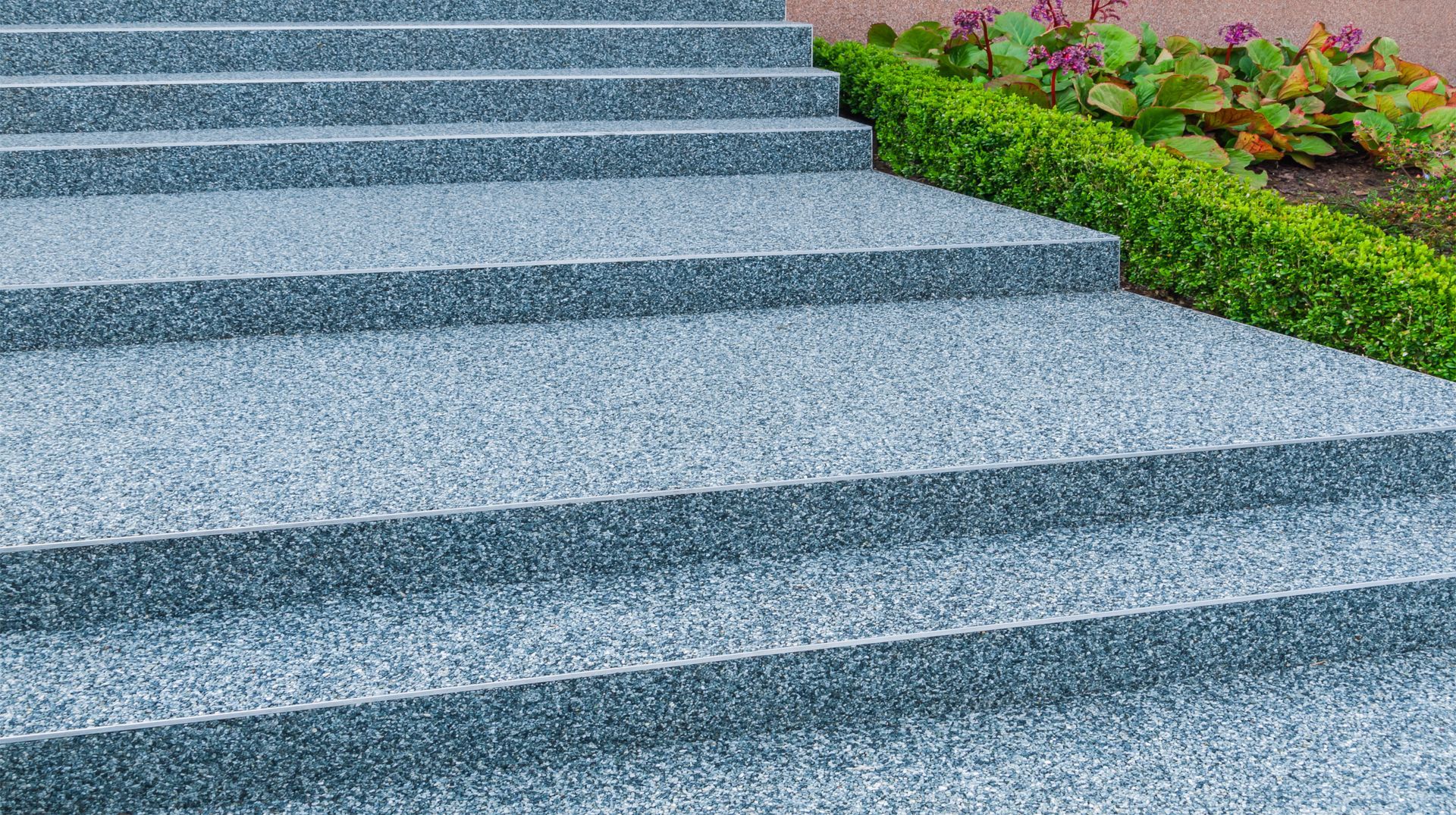
Smooth sealers leave concrete glossy and slick when wet, like a polished tile floor. Texture coatings build a slightly rough surface profile — closer to a tennis ball than glass — giving shoe soles something to grip on stairs, ramps, and walkways during rain or snow.
When should I coat new tilt-up concrete versus waiting until problems show up?
Coat early. Once cracks, spalling, or surface erosion appear, you're paying for repair plus coating instead of just coating. Mastercraft & Associates recommends sealing concrete before the first hard winter — it's cheaper to prevent water intrusion than to chase damage later.
What's the difference between concrete texture coating and regular exterior paint?
Paint sits on top as a thin film and peels when moisture pushes from behind. Texture coating is thicker, flexible, and bonds into the concrete's pores. Paint is a coat of polish; texture coating is more like a wetsuit — built to flex, breathe, and stay put.
How does texture coating decrease long-term maintenance costs on masonry?
It blocks the three things that destroy masonry: water intrusion, UV breakdown, and surface erosion. By stopping damage at the source, you skip recurring patch jobs, repointing, and repainting cycles. One properly applied coat replaces years of reactive maintenance.